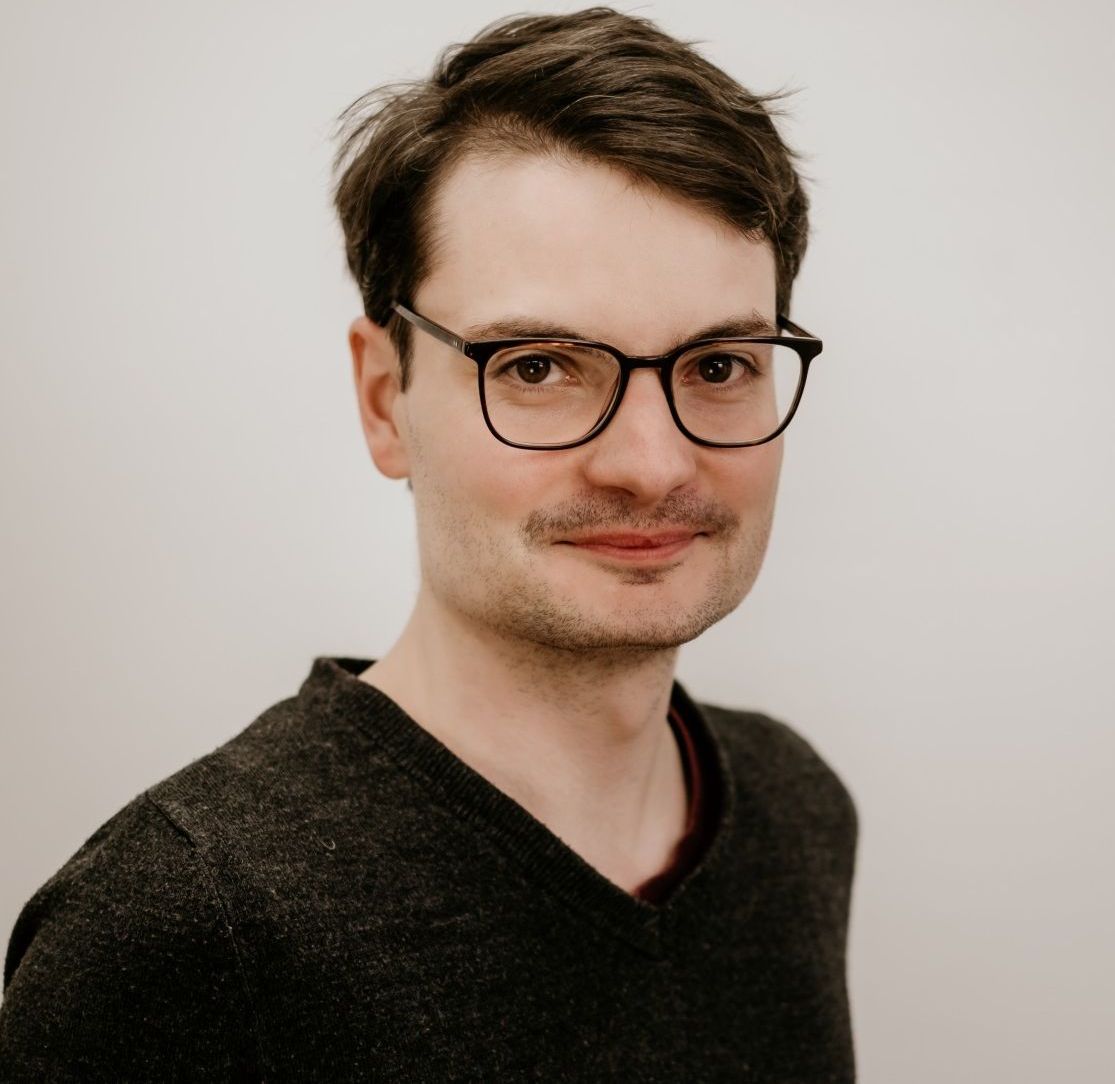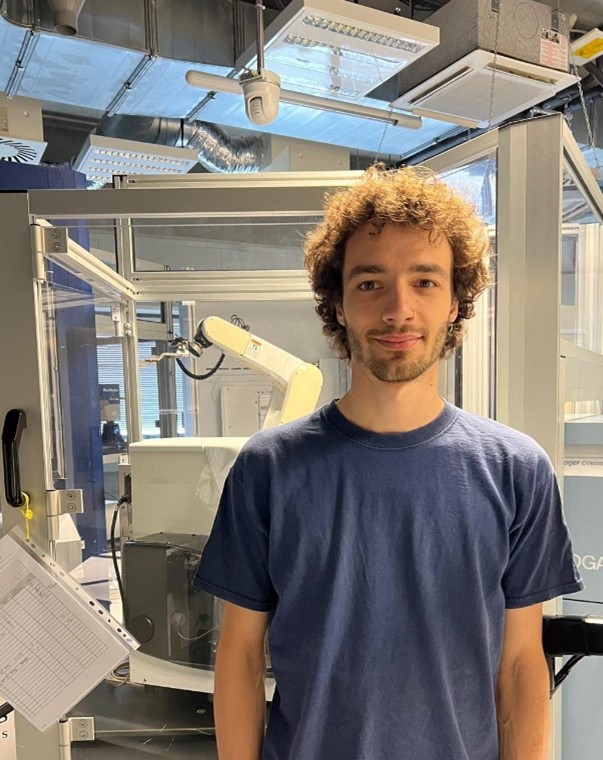
Riccardo Fusco
I'm a PhD student at Palacký University of Olomouc under the supervision of Professor Alexander Dömling. My academic journey began in Naples, where I earned a degree in Pharmaceutical Chemistry and Technology. During my studies, I realized that the traditional approach to drug discovery, characterized by trial-and-error cycles led by medicinal chemists, was too slow and inefficient. This realization drove my passion for computational chemistry to accelerate the drug discovery process. Although I didn't know it at the time, this would become the defining path of my career.
During my Erasmus traineeship in Groningen, I met Alex, who encouraged me to start learning data science—undoubtedly the best advice I have ever received. Later, I had the opportunity to experience the real world of pharmaceutical research during a half year internship at Bayer, where I saw firsthand how the combination of "knowing your data" and "knowing how to manipulate your data" could significantly speed up nearly every aspect of research. My carrier began to take shape.
After finishing my period at Bayer, I received a phone call that may have changed my life forever. Alex was looking for a PhD candidate in computational chemistry. He explained to me his vision for the Automated Chemistry and Screening Platform—Amadeus—and asked me to contribute to making it a reality. From the moment I heard it, I believed it was brilliant.
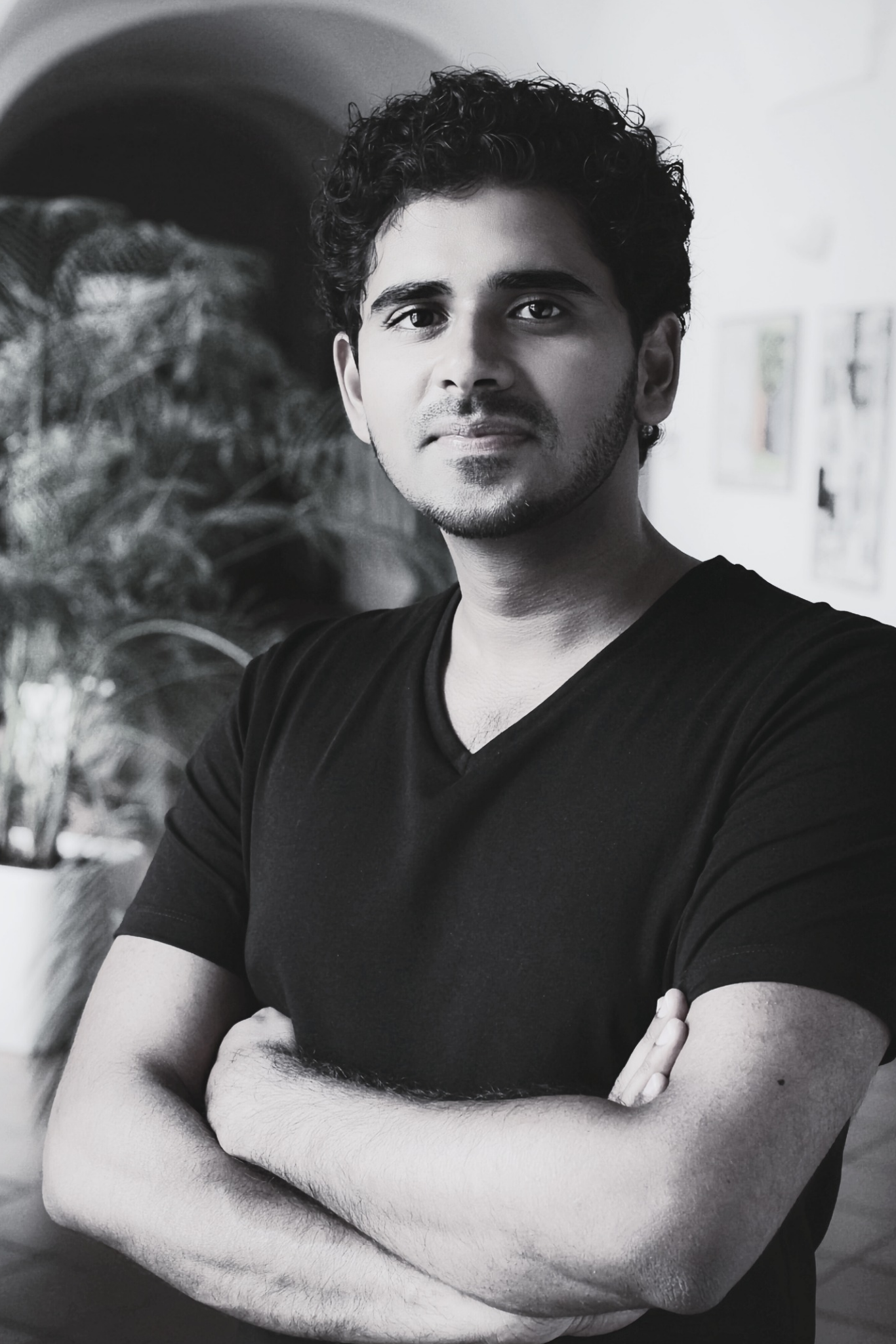
Mohd Isar
By asking "how?", I delve into solving everyday problems and addressing intricate scientific challenges. One such challenge is developing innovative and effective treatments for diseases. During my undergraduate studies in biochemistry in India and through internships focused on drug development for Alzheimer's, malaria, and metabolic disorders, I gained deep insights into the complexities of drug discovery. Recognizing the need for more efficient and cost-effective methods, I am now a final-year PhD student in Peter Lukavský's Group at CEITEC MUNI. Here, we developed a novel method to identify drugs targeting cancer-related genes by focusing on their RNA.
Living in Europe has enriched my experience, allowing me to undertake research internships in Ireland and Italy, attend conferences across various countries, and pitch a project at the EU InnoCore Challenge in Spain. I've also had the opportunity to connect with a diverse network of professionals, from researchers to entrepreneurs. Given that cancer remains one of the world's most challenging diseases, I am deeply committed to my research's societal impact. As I approach the completion of my PhD, I am excited to cofound a therapeutic company dedicated to developing innovative cancer treatments, with the hope of improving lives and contributing to a healthier future.
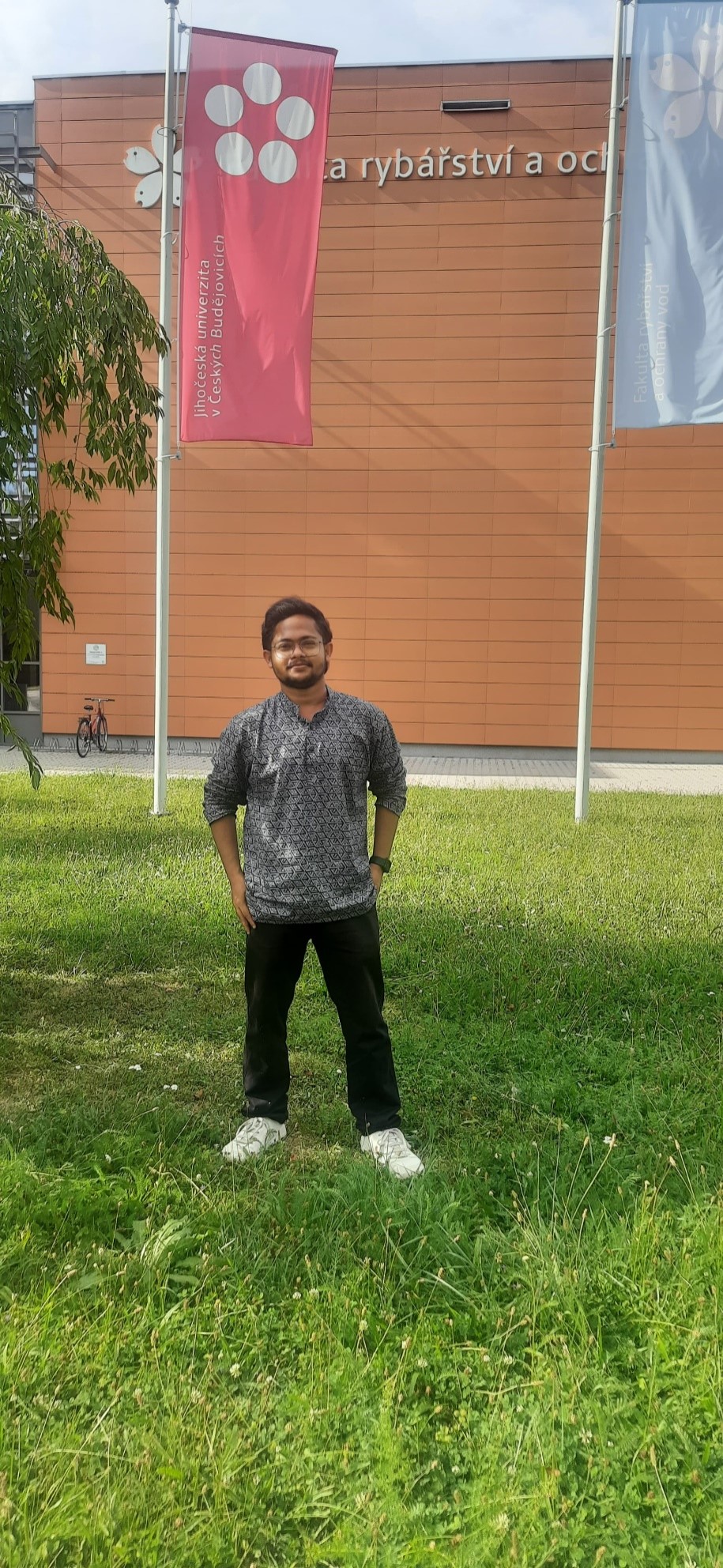
Bidipta Mandal
I have always been captivated by the intricate world of aquatic life. My journey began with a B.Sc. in Industrial Fish and Fisheries from Calcutta University (India), which deepened my curiosity about aquatic ecosystems. This passion led me to pursue an M.Sc. in Aquatic Biology at Veer Narmad South Gujarat University (India), where I explored the connection between fishpond and public health. My academic path took an exciting turn when I moved to the Czech Republic as a Ph.D. student /researcher at Laboratory of Nutrition (FROV), University of South Bohemia and I work under the supervision of Asst. Prof. Dr. Koushik Roy and Assoc. Prof. Dr. Jan Mráz. My research focuses on enhancing the omega-3 content in carp to provide a sustainable source of these essential nutrients in land-locked regions like Czechia. It's incredible to think that this humble fish could play a crucial role in reducing heart disease and supporting sustainable food practices. I feel fortunate to combine my passion for aquatic ecosystems with fish nutrition research that can make a real difference in public health and environmental sustainability.
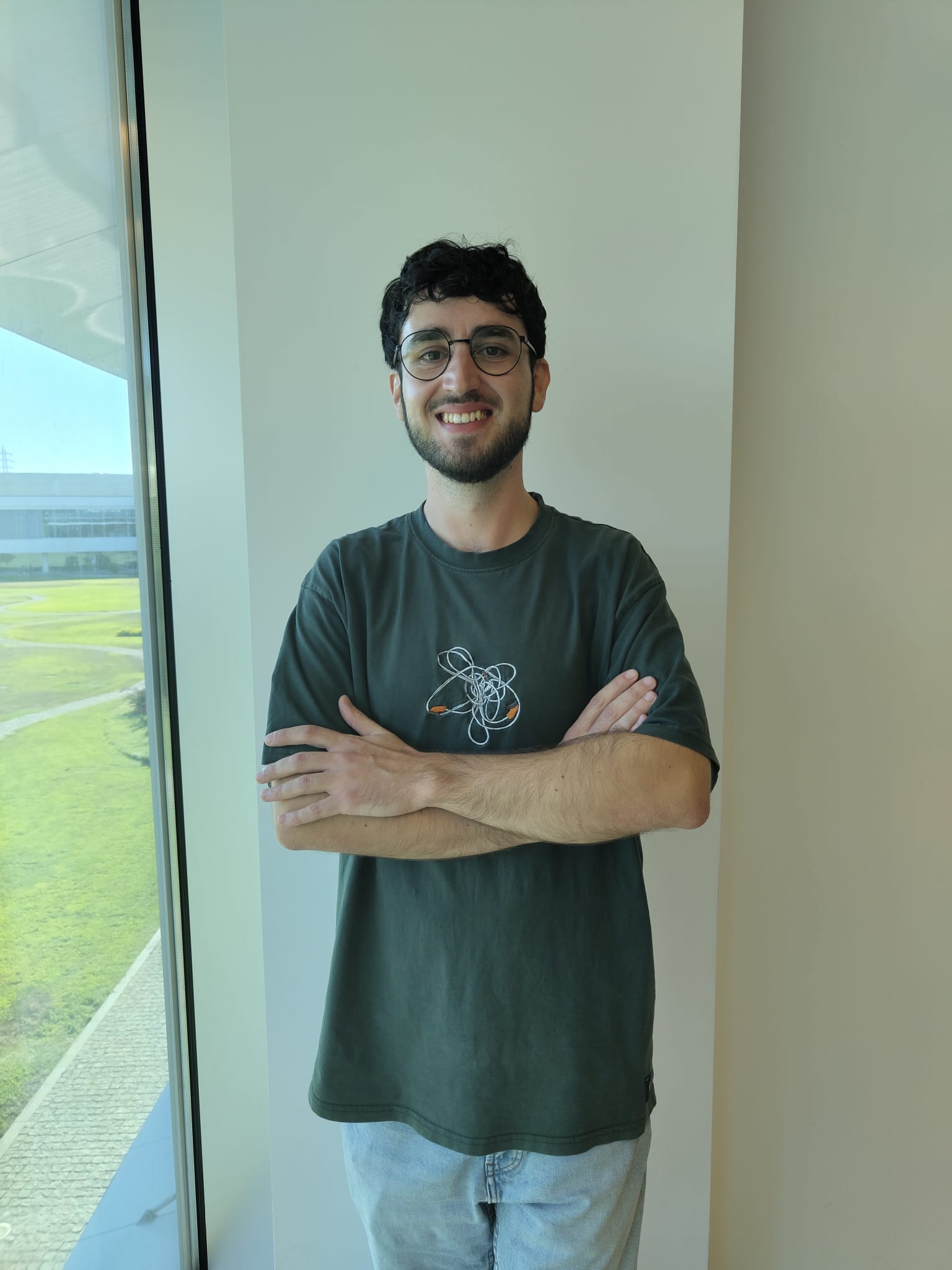
Tiago Moura
Tiago Moura is a 26-year-old PhD student in Physics putting his enthusiasm for science and technology to work towards a more sustainable future. His work focuses on the development of hybrid nanostructured electrochemical sensors to break the wall of water monitoring and prevent harm to environmental and human health.
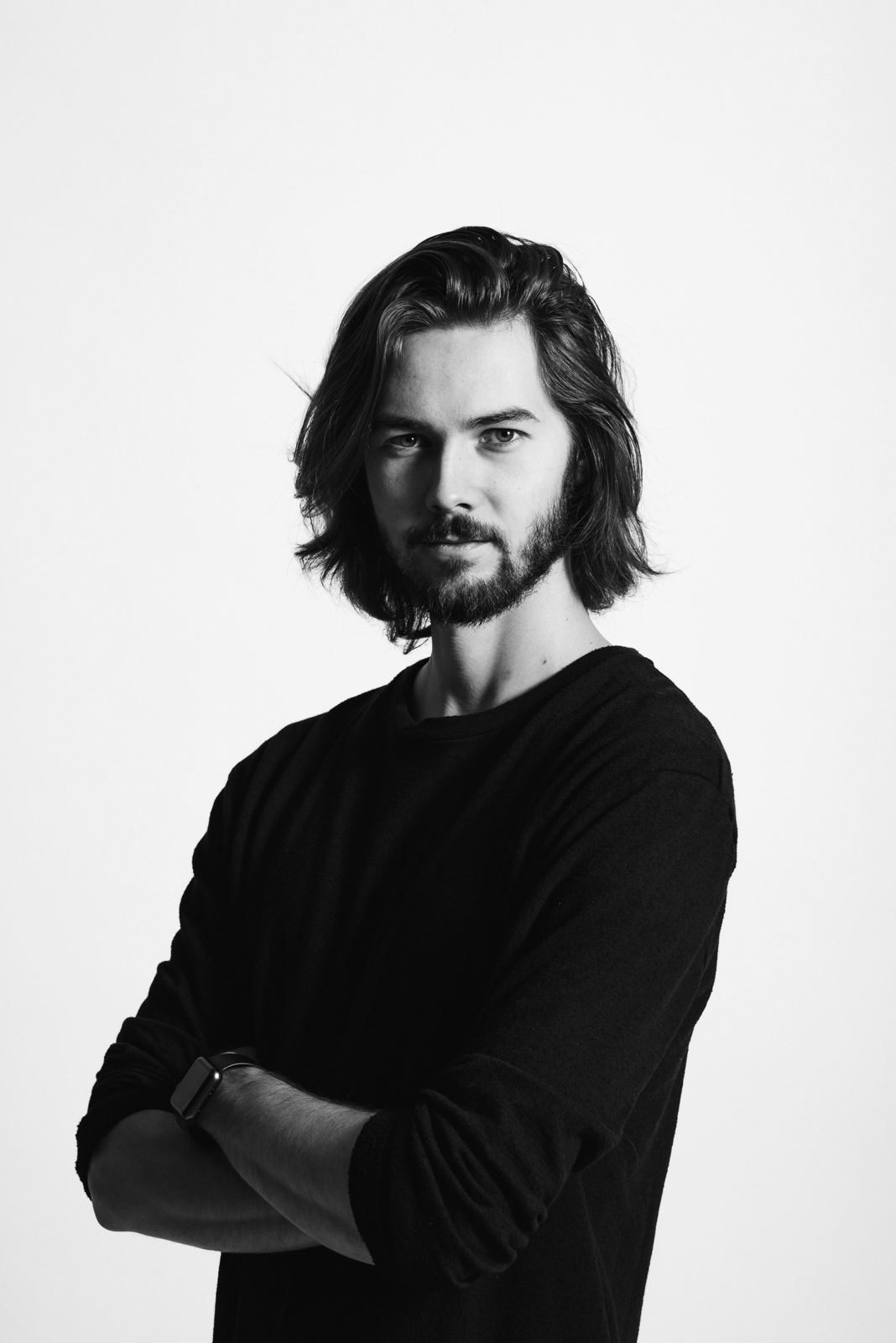
Josef Pacal
Joe is a graduate of Imperial College London and a co-founder of Wonders. His journey took him from a design career in the Czech Republic, through facilitating creative innovation for major scientific organizations such as the NIH, Global Young Academy, and Future Earth, to founding a startup aimed at making access to scientific insights commonplace.
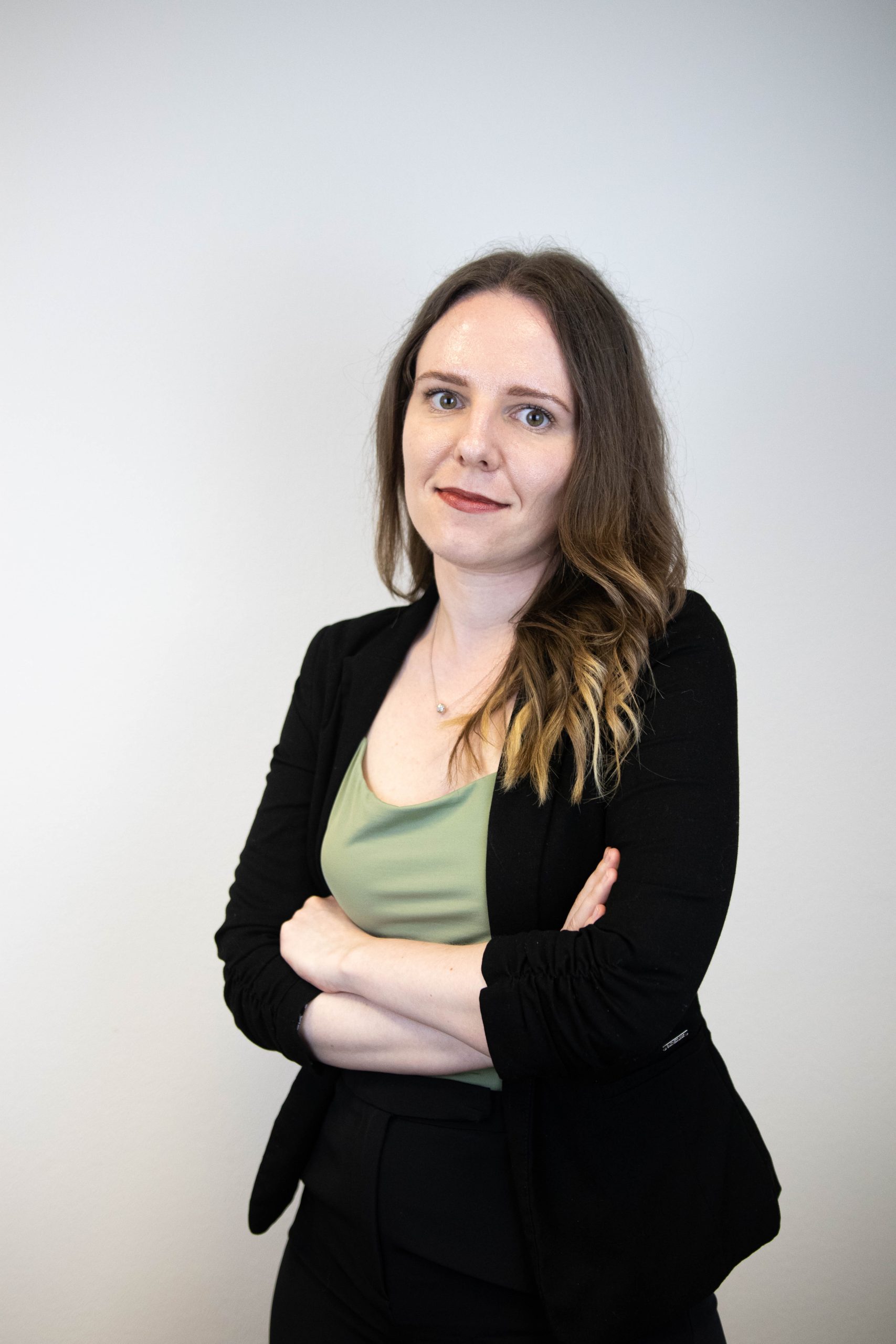
Marie Pražáková
From a young age, I have been captivated by the intricate workings of medicine, biology, and the human body. This early fascination naturally led me to aspire to become a physician but by coincidence, I ended up studying Bioinorganic Chemistry at Palacký University, where I completed my bachelor's and master's studies under the supervision of Dr. Bohuslav Drahoš, who introduced me to the fascinating world of macrocycles, their coordination compounds, and their use in modern medicine, and I became passionate about chemistry.
Currently, I am pursuing a Ph.D. at Palacký University, and my main focus is on coordination compounds containing manganese(II) and their potential use in medicine, e.g., alternative contrast agents for MRI or PET, possible SOD-mimics, and nowadays, the design and development of manganese-based theranostics agents.
Throughout my doctoral studies, I was fortunate enough to spend some time in the CNRS research lab in Orléans with Dr. Éva Tóth and her group and this collaboration allowed me to expand my expertise in MRI contrast agents and NMR-based techniques. My research projects were supported by the Palacký Endowment Fund three times which allowed me to actively participate in major conferences such as ICCC or ICBIC (oral contribution and poster) etc., and science communication competitions, e.g., FameLab 2021 and Ma thèse en 180 secondes – sélection tchèque 2023.

Tomáš Svoboda
When I was little, I was always curious about why things happened the way they did. My parents spent much of their free time answering my seemingly endless questions. Not much has changed, except now I have the privilege of working with multi-million-dollar equipment to explore these questions on my own.
My academic journey has led me through multiple high-end research institutes in Prague, deepening my passion for natural sciences. I've transitioned from synthetic chemistry to synthetic biology, and ultimately into cellular biology. This interdisciplinary experience has given me a unique perspective, enabling me to approach modern challenges with innovative solutions.
I'm now a first-year PhD student at the Institute of Organic Chemistry and Biochemistry, working under the guidance of David Sabatini, the pioneer of the mTOR pathway. My goal is to explore major scientific challenges that have the potential to drive impactful discoveries. My vision is to not only advance Czech science but also contribute to global scientific progress, making a meaningful impact on human health and understanding.
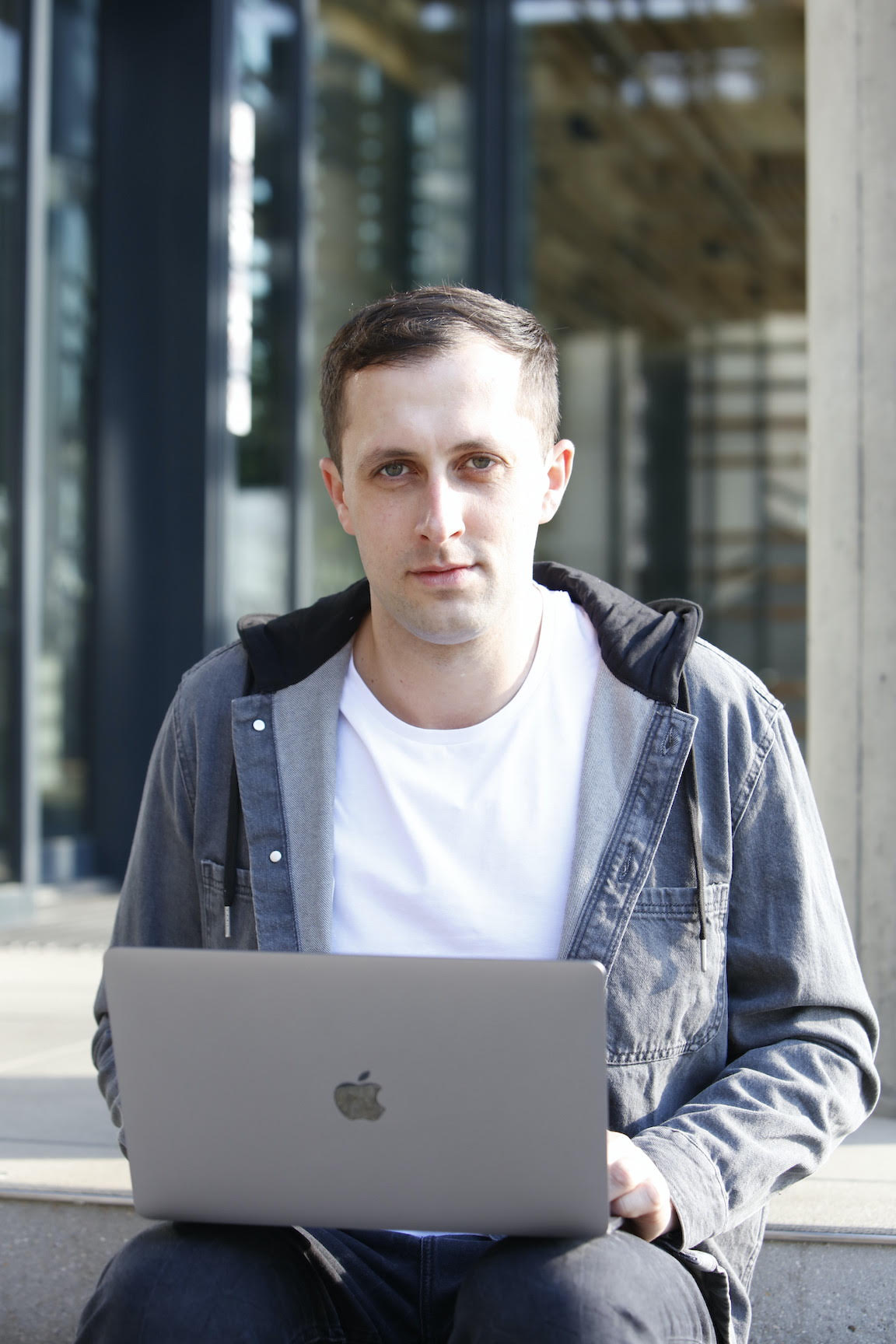
Jan Saro
Jan Šáro is a researcher and lecturer at the Czech University of Life Sciences Prague, specializing in applied mathematics, informatics, and artificial intelligence with a focus on life sciences. From a young age, his academic journey has been driven by a lifelong passion for mathematics and its practical applications to biological systems and agricultural innovation. Over time, he naturally developed an affinity for problem-solving in these fields.
Currently, he aims to develop and teach data-driven approaches that address real-world challenges faced by modern farmers. By integrating AI and computational methods, he seeks to bring forward innovative solutions to enhance agricultural sustainability and productivity. Ultimately, his goal is to bridge the gap between advanced scientific methods and their practical applications, equipping the next generation of farmers with the tools they need to thrive in an ever-evolving landscape.
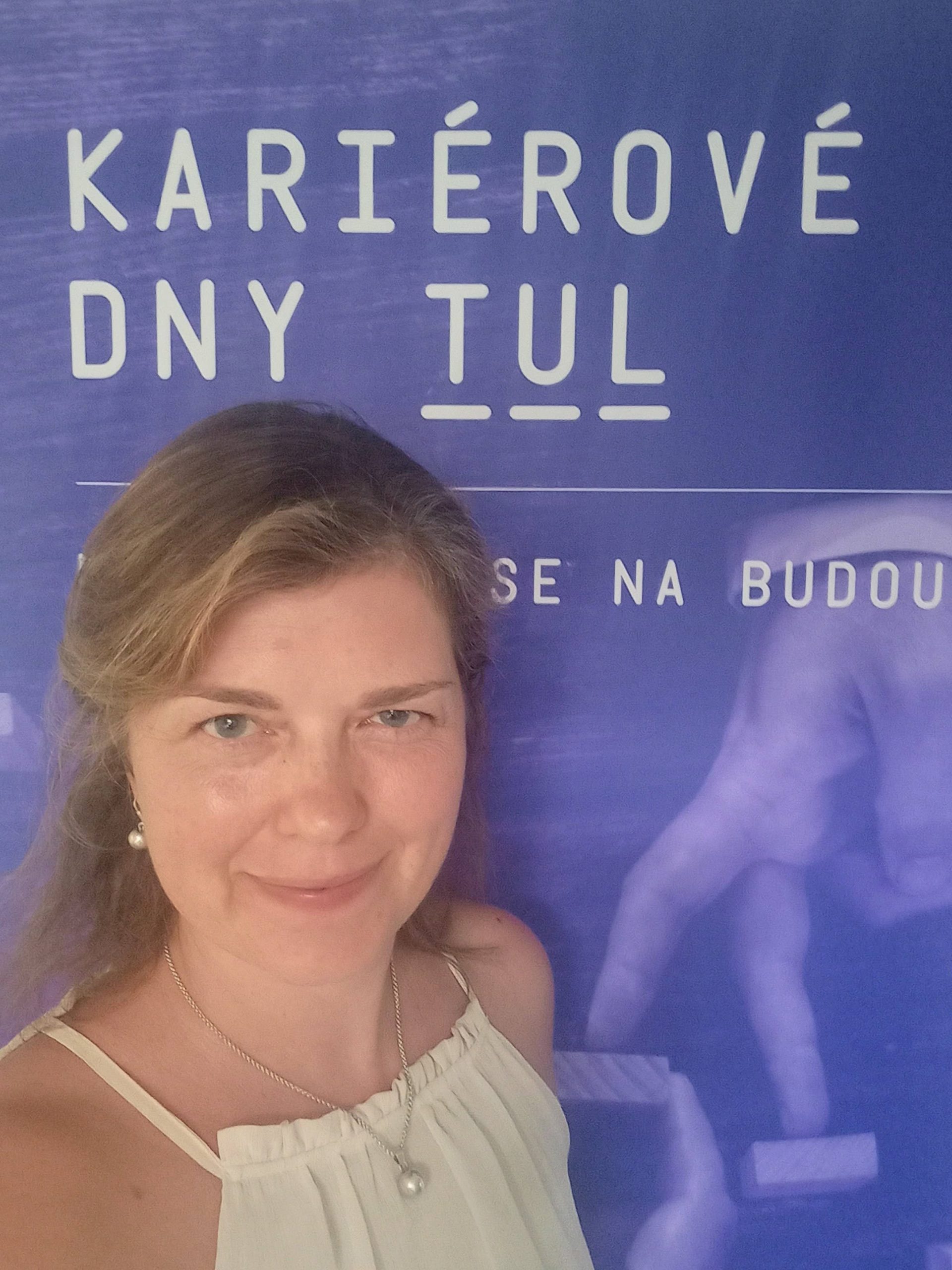
Hana Trávníčková
With over 13 years of job experience, I have devoted myself to employee development in enterprises. I have previous experience as an HR manager and training specialist. Currently, I am a PhD student at the Faculty of Economics at the Technical University of Liberec, focusing on researching the development of Generation Z competencies in the context of the labour market. My approach is shaped not only by my practical experience but also by gaining certification as a transformational coach, exploring the gestalt approach in personal and work environments, and studying Waldorf pedagogy, as well as my experience from the Toyota within Industry (TWI) method. Currently, I am also helping university students within the Career Center of the Technical University of Liberec, coordinating a job fair, and trying to promote the introduction of artificial intelligence and other innovative practices in career counselling and employee training in companies.
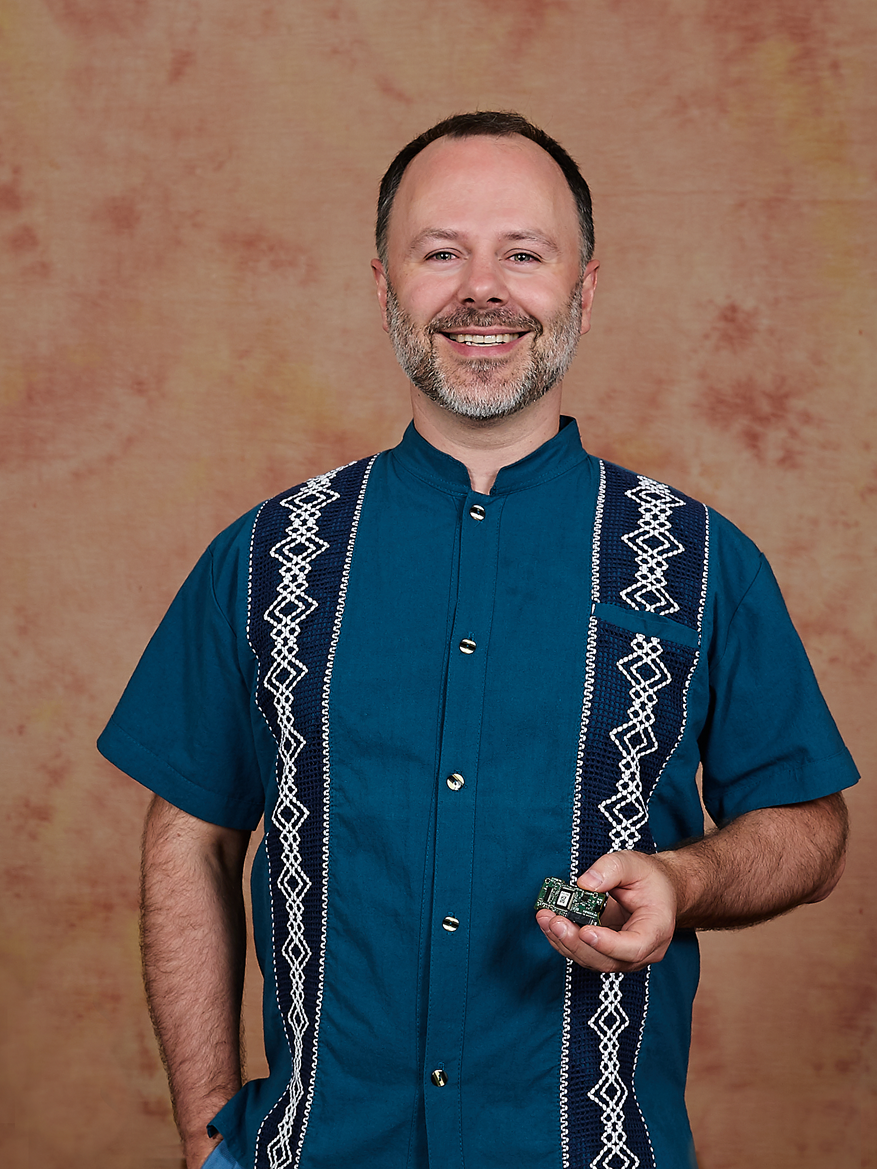
Zbigniew Zawada
Zbigniew Zawada, Ph.D., is a passionate scientist committed to crossing disciplinary boundaries. His fascination with the intersection of organic chemistry, physics, and nanotechnology fuels his current project: revolutionizing microprocessor technology with single-molecule transistors.
Zbigniew's research journey spans prestigious institutions across Europe and the United States. He completed his Ph.D. at the Institute of Organic Chemistry and Biochemistry (Czech Academy of Sciences), followed by a two-year postdoctoral fellowship at Cambridge University. During his master's studies, he spent three months as a visiting researcher at the University of Colorado at Boulder. He has also contributed directly to five institutes of the Czech Academy of Sciences, absorbing and sharing knowledge from each of them. His interdisciplinary approach was recognized with a Marie Skłodowska-Curie Actions Seal of Excellence, leading to a Mobility Grant from the Czech Ministry of Education.
This diverse experience in multiple research environments has helped him to gain extensive hands-on expertise, culminating in his current position at the J. Heyrovský Institute of Physical Chemistry of the Czech Academy of Sciences.
One of Zbigniew's most noteworthy achievements is the development of a nucleoside triphosphate transporter, now patented in the USA and the EU. This invention caught the attention of Merck, one of the world's pharmaceutical giants. The successful transition of his work from a laboratory concept to a commercial product demonstrates his ability to bridge the gap between fundamental research and real-world applications.
Beyond the lab, he is deeply committed to nurturing the next generation of scientists through tutoring, mentoring PhD candidates, and igniting scientific curiosity in children through outreach programs.